Our Next Three Rivers Meeting
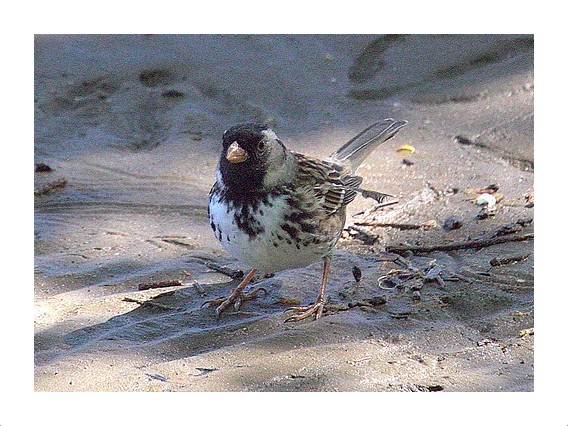
Southside Riverfront Park
A DAZZLING DISPLAY!
SEE OUR "SLIDE-SLAM"
ON DEC. 2 - VIA ZOOM
Remember when color slides were the photos of choice way-back-when? We've kept this old and hallowed expression for our annual showcase of talented members' beautiful photos. It has traditionally been one of our best-attended programs of the year.
Watch this year's exciting, colorful gallery on your personal computer screen at our Zoom meeting on December 2, 2026 at 8:00 PM ET.
If you wish to display your photos, contact Dave Brooke at davbrooke@gmail.com or by phone at 724-487-3586 to reserve a spot. Dave wants to limit the number of participants to 12 and asks that those who want to participate should make their requests to him by November 18, 2026.
FUTURE PROGRAMS:
- February 3, 2027 - CINDY MARPLE, photographer - Antarctic Birding (Zoom Only)
- April 7, 2027 - BOB MULVIHILL - My Serendipitous Journey to Ornithology
- June 2, 2027 - CASSIE ZIEGLER - Avian Ecology and Diet
- August 4, 2027 - EZRA WHITE - Life as a Young Birder in Pittsburgh
- October 6, 2027 - AMY HENRICI - Alaska Birding
Last Updated on 10/7/2026
Items of Interest

 VIEW THE SEPTEMBER/OCTOBER 2026 EDITION OF OUR NEWSLETTER -- THE PEREGRINE
Items of Interest
VIEW THE SEPTEMBER/OCTOBER 2026 EDITION OF OUR NEWSLETTER -- THE PEREGRINE
The September/October 2026 edition of The Peregrine (in full color) is avaiable here: Sept/Oct 2026.
See also Tom Moeller's photo gallery to accompany his "Observations" column:
Butterflies.
For those who would like to submit articles, photos, sightings, book reviews, anecdotes, etc. about birds or birding to
The Peregrine, please send them to this email address: 3rbc.peregrine@gmail.com.
 THE WRITTEN MINUTES AND THE VIDEO OF OUR AUGUST 5, 2026 MEETING FEATURING FRANK IZAGUIRRE ARE AVAILABLE!
Read the Meeting Minutes for our August 5, 2026 hybrid membership meeting featuring Frank Izaguirre with his program "Proofs, Posts, and Peents: An Inside Look at Being a Bird Magazine Editor and Social Media Manager" here: August Meeting Minutes.
You can see the video of the August 5 meeting here: August Zoom Meeting.
 OUR FALL OUTINGS CONTINUE WITH TWO TRIPS IN OCTOBER AND THREE IN NOVEMBER!
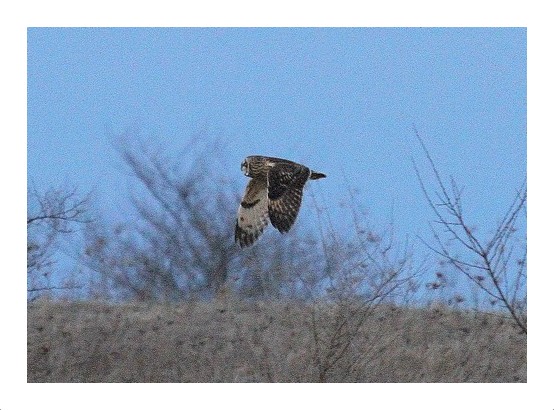
The two Outings in October go to Linda's Farm and Gilfillan Park in Upper St. Clair, and the three in November go to Yellow Creek State Park, Peters Lake, and an evening trek to the Midway/Bulger Panhandle Trail.
For detailed descriptions, go to our Outings Page.
APPLYING FOR MEMBERSHIP IN 3RBC HAS GOTTEN EASIER!

Now you can apply for 3RBC membership by simply filling out an Autofill document and emailing it back to us. If you are a student, that's all you have to do. If you are paying dues, you can send them in through your PayPal account. Or, you can send in a check to our Treasurer.
Check out this easier method of applying for membership by clicking the "Join the Club" tab at the top of the page.
Longer Articles Highlighted in THE PEREGRINE
Longer articles and a photo gallery that members contributed to The Peregine have been assembled in this compilation. We hope you enjoy them again:
Oscar Miller's recent article "Blue Grosbeaks in Southwestern Pennsylvania," referred to in the September/October 2024 edition of The Peregrine, has moved from this Main page to its own page: Blue Grosbeaks.
Frank Izaguirre wrote an article for the January 2021 edition of Birding magazine. With permission of the magazine and its editor Ted Floyd, we can present a PDF of the article at this link: Celebrating the Stumpbreaker of Squirrel Hill.
Tom Moeller had a two-part article in subsequent editions issues of The Peregrine during 2020 on Cedar Waxwings. Here are the two parts as one: Here's the Background on a Backyard Beauty.
Frank Izaguirre's adventure in exploring snowy Canada for winter birds in February 2020 was also a two-part article in two editions of The Peregrine. Again, the two parts appear here as one: Frigid Canada's Birds Warmed a Pair of Birders.
The stunning gallery of birds and scenery from Northwest Argentina, which is an adjunct to Claire Staples' article "A Very High Adventure: Birding to 15,000 Feet in Argentina's Andes" [The Peregrine Vol. 18, No. 2, March/April 2019], can still be enjoyed: Northwest Argentina.
David Yeany II and his friends took a side trip from Magee Marsh one rainy day in 2018 to find a Kirtland's Warbler in his narrative Saving the Best for Last: A Kirtland's Warbler Adventure.
Other Important Items

THE BYLAWS FOR THREE RIVERS BIRDING CLUB ARE WORTH READING
As you know by now, the Three Rivers Birding Club has formed into a 501(c)(3) non-profit corporation governed by a nine-member Board of Directors. Our organization has an official set of Bylaws, which spell out many details of the make-up of the "new" club, including the responsibilities of the Board of Directors, choosing of officers and their terms and duties, financial reporting to the IRS, standing committees, an annual election meeting, voting procedures, and so on. The members can read these Bylaws by following the link found at the top of each page of this website: Three Rivers Bylaws
THE CLUB'S HISTORY CONTINUED IN 2025 WITH GREAT SPEAKERS, A VARIETY OF OUTINGS, AND IMPORTANT HIGHLIGHTS
2025 was marked by our very first Annual Meeting, wherein we elected our 2026-27 Board of Directors and expanded their numbers from nine to eleven members to better serve the club. We had our usual winter, spring, and fall outings guided by volunteer leaders, and our membership meetings with notable speakers continued as hybrid in-person/Zoom formats {except in the two winter months}. Steve Thomas was able to compile the six meetings we had, including the names of all eleven of our Directors, the full set of birding outings, and other events in our complete 2025 calendar. See the year's history as a PDF here: 2025 Events.
All our past annual histories are documented as PDFs here: 3RBC History
FOLLOW US ON FACEBOOK!

Be sure to visit our club's Facebook page for up-to-date news on happenings with the club, member photos, or links to other birding articles and sites.
WE'RE ON INSTAGRAM TOO!

Our social media presence has expanded. Thanks to member, Malcolm Kurtz, we now have a site on Instagram. You can check for developments on our website 3rbc.org, upload photos, or comment on bird sightings, photos, or outings. Check out our Instagram site here: https://www.instagram.com/3rbcpgh/.
PSO's "PENNSYLVANIA BIRDS" MAGAZINE: SEE WHAT YOU'VE BEEN MISSING
The Pennsylvania Society for Ornithology (PSO) publishes previews of the current issue of Pennsylvania Birds online, which consist of the cover, table of contents, and a featured article. Now anyone who does not subscribe or perhaps does not even know about PSO can actually see a little bit of what they've been missing, and hopefully be encouraged to join PSO! Click on the following link for an example of an article from the latest edition of Pennsylvania Birds: sample article.
Pennsylvania Birds is an all-volunteer effort, created and maintained by a group of Pennsylvania's most dedicated birders, but it is not an exclusive club. Anyone may contribute, whether a member of PSO or not, any original work related to birds or birding in Pennsylvania. If you have photos, article ideas, letters to the editor... as long as it is original work and related to birds or birding in Pennsylvania.
Consider joining PSO if you haven't already. They especially encourage the "beginners" out there, those of you who are just starting to discover the wonderful hobby of birding. In addition to being relatively inexpensive, membership buys you a year's subscription to Pennsylvania Birds and The Pileated, the PSO newsletter.
Find the Home page of the Pennsylvania Society for Ornithology here: PSO.